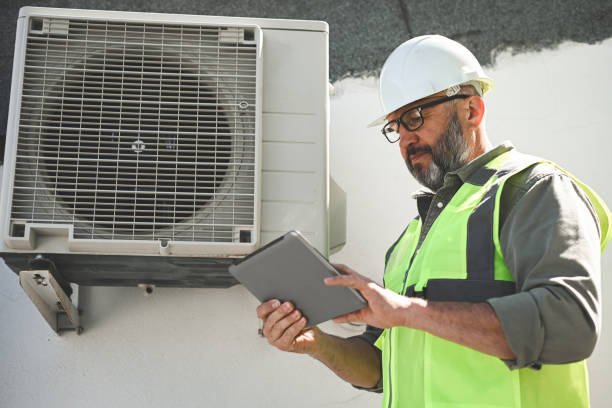
Timely recognition of issues with your air conditioning (AC) unit can prevent costly repairs, improve system efficiency, and extend the equipment’s lifespan. Knowing the warning signs of potential problems is critical to maintaining a properly functioning AC system. Below, we outline common indicators that your AC unit needs immediate attention from a professional.
1. Insufficient Cooling or Uneven Temperatures
If certain rooms in your home are warmer or cooler than others, or if the AC fails to cool your space adequately despite running for long periods, it could indicate:
– A refrigerant leak
– Blocked or leaky ducts
– A failing compressor
Addressing these issues promptly ensures you avoid further strain on your system.
2. Unusual Noises Coming from the Unit
A properly functioning AC unit typically operates with minimal noise. If you notice any of the following sounds, it often signals trouble:
– Grinding or screeching – May indicate motor or belt problems.
– Banging or rattling – Could be caused by loose components or debris within the system.
– Hissing – Often a sign of a refrigerant leak.
Ignoring these sounds may result in more extensive damage over time.
3. Foul Odors Emitted from Vents
Strange smells coming from your air vents should not be ignored as they could point to:
– Mold growth in the ductwork due to excess moisture buildup.
– Overheated wires causing a burnt odor – this is a serious issue requiring immediate attention for safety reasons.
Consider scheduling an inspection as soon as odors are detected.
4. Higher-than-Normal Energy Bills
A sudden spike in energy costs without any significant increase in usage usually means that your AC is working harder than necessary to maintain desired temperatures. Potential culprits include:
– Dirty filters restricting airflow.
– Malfunctioning parts decreasing efficiency.
Regular servicing helps prevent such inefficiencies while keeping energy costs under control.
5. Frequent Cycling On and Off
Short cycling, where the AC repeatedly turns on and off before completing a full cooling cycle, can lead to wear and tear on components like the compressor and fan motor. This symptom often points to:
– Thermostat issues
– An oversized unit for your space
Have an HVAC professional diagnose and resolve short cycling early to avoid equipment failure.
6. Persistent Moisture Around Your Unit
Pooled water or leaks near your AC unit may suggest:
– A clog in the condensate drain line leading to improper drainage. – A refrigerant leak potentially impacting cooling performance.
Both scenarios require prompt servicing to prevent water damage and ensure efficient operation.
Quick Reference Table for Orlando AC Repair Troubleshooting Signs
| Sign | Possible Cause | Recommended Action |
| Insufficient Cooling | Refrigerant leak/compressor issue | Schedule professional inspection |
| Unusual Noises | Loose parts/belt/motor issue | Turn off unit & consult technician |
| Foul Odors | Mold growth/electrical problem | Call for immediate maintenance |
| High Energy Bills | Dirty filters/inefficient system | Perform routine maintenance checks |
| Frequent Cycling | Thermostat error/incorrect sizing | Evaluate with HVAC expert |
| Moisture Near Unit | Drain line clog/refrigerant issue | Clean lines; check for leaks |
Taking proactive steps when these warning signs arise can help maintain optimal performance while preventing unnecessary expenses due to neglect or delayed repairs. Always consult certified HVAC technicians if you suspect serious underlying issues with your air conditioning system.
What to Expect During a Comprehensive Orlando AC Service Appointment
Understanding what happens during a professional AC service appointment can help you prepare and ensure your system receives the care it needs. A comprehensive AC service typically involves thorough inspection, cleaning, and maintenance of your air conditioning unit to ensure optimal functionality. Below is a detailed breakdown of what you can expect during such an appointment.
1. Initial Assessment and Inspection
The technician starts by assessing the overall condition of your AC system. This step includes:
– Checking for visible wear and tear on components such as coils, wiring, and ductwork.
– Listening for unusual noises that may indicate mechanical issues. – Evaluating the thermostat’s functionality to ensure it communicates effectively with the AC unit.
This diagnostic phase identifies potential problems before they escalate into costly repairs or replacements.
2. Cleaning Key Components
| Component | Why It’s Important to Clean |
| Air Filters | Blocked filters restrict airflow, reducing efficiency. |
| Evaporator Coils | Dirty coils hinder heat exchange, straining the unit. |
| Condenser Coils | Build-up impacts cooling performance significantly. |
| Drain Lines | Clogged drains can lead to leaks or water damage. |
By removing dust, dirt, and grime from these areas, the technician ensures smoother operation and improved air quality.
3. Lubrication of Moving Parts
All moving components like motors or fans need adequate lubrication to reduce friction during operation. Lack of lubrication increases wear on parts, leading to higher energy consumption or breakdowns over time.
4. Refrigerant Level Check
Low refrigerant levels often result in poor cooling performance or longer cooling cycles that increase energy usage. The technician will:
– Measure refrigerant levels. – Identify leaks if levels are below recommended specifications. – Recharge refrigerant (if necessary) after repairing any detected leaks.
Proper refrigerant levels are critical for maintaining your unit’s energy efficiency.
5. Electrical Component Inspection
Faulty electrical connections pose safety risks and may prevent your AC from functioning properly. During a service visit:
– Wires are inspected for signs of wear or corrosion. – Voltage readings are taken to confirm stable power flow. – Capacitors and relays are tested for proper operation.
This ensures reliable performance while reducing potential fire hazards associated with malfunctioning electrical parts.
6. Performance Testing Post-Maintenance
Once cleaning and repairs are complete, technicians will test the system’s performance in various settings:
– Verifying effective cooling across all temperature ranges. – Ensuring airflow is consistent throughout ventilation ducts. – Confirming there are no abnormal noises or vibrations during operation.
Performance testing guarantees that your air conditioner is operating at its peak efficiency before concluding the service session.
Regularly scheduling comprehensive AC services not only extends your system’s lifespan but also improves energy efficiency while minimizing unexpected breakdowns during peak seasons.

What to Expect During a Comprehensive AC Service Appointment
A comprehensive AC service appointment is essential for maintaining the efficiency, longevity, and performance of your air conditioning system. Understanding what happens during such a service can help you better prepare and ensure that your unit is receiving the attention it needs. Below is a detailed breakdown of what typically occurs during an AC service appointment.
Inspection and Diagnosis
- Examine the outdoor and indoor units for any visible signs of wear or damage.
- Inspect electrical components such as wiring, capacitors, and relays for potential issues.
- Check refrigerant levels to ensure there are no leaks or deficiencies.
- Assess ductwork (if applicable) for blockages, leaks, or other inefficiencies.
If any problems are identified during this phase, they will usually inform you about repair options before proceeding.
Cleaning Components
- Air Filters: Dirty filters are cleaned (or replaced if necessary) to improve airflow and indoor air quality.
- Condenser Coils: These coils are cleaned to enhance heat transfer efficiency and prevent strain on the compressor.
- Evaporator Coils: The inside coils may also be cleaned to remove dirt buildup that can hinder performance.
- Fans: Both blower fans inside the unit and condenser fan blades outside will be inspected and wiped free of dust or debris.
By removing accumulated dirt from these components, energy efficiency can increase while preventing breakdowns caused by overheating.
Lubrication of Moving Parts
Over time, moving parts such as motors and bearings may wear out due to friction. During servicing, these components are lubricated where necessary to reduce friction-related wear-and-tear. Proper lubrication not only extends the life of parts but also ensures quieter operation.
Testing System Performance
- Verifying thermostat accuracy.
- Measuring airflow output at vents.
- Checking if cooling cycles function correctly without short cycling or inefficiencies.
They may also monitor temperature differences between supply and return air ducts to confirm proper cooling performance.
Refrigerant Levels Check
Refrigerant plays a key role in cooling efficiency. A professional technician will measure refrigerant levels during servicing using specialized tools. If levels are low due to leaks or other issues, they’ll address it accordingly—either by repairing leaks or recharging refrigerant based on manufacturer specifications.
Electrical Components Testing
- Connections are tightened where needed.
- Voltage readings across terminals are taken.
- Safety switches like circuit breakers are tested for reliability.
By ensuring all electrical elements work properly, risks such as short circuits or sudden outages can be minimized.
| Component | Process | Benefit |
| Air Filter | Cleaned/ Replaced | Improved airflow & indoor air quality |
| Condenser Coil | Cleaned | Enhanced heat transfer & energy efficiency |
| Refrigerant | Checked/Recharged | Consistent cooling output |
| Fan Motors | Lubricated & Inspected | Reduced noise; extended part lifespan |
| Thermostat | Tested | Ensured accurate temperature control |
Final Recommendations
- Suggested upgrades (such as programmable thermostats).
- Advice on how frequently filters should be changed based on usage patterns or environment type (dusty vs clean areas).
Understanding these steps ensures transparency while building confidence in regular maintenance practices for long-term savings and comfort at home.
Does Professional AC Servicing Help Lower Electricity Bills and Improve Efficiency?
Regular professional AC servicing plays a crucial role in maintaining the efficiency of your air conditioning unit while also reducing electricity bills. Neglecting routine maintenance can lead to decreased performance, higher energy consumption, and costly repairs over time. Below is an in-depth look at how professional servicing impacts efficiency and energy costs.
How Professional Servicing Improves Efficiency
- Clean or Replace Air Filters: Dirty air filters restrict airflow, forcing the system to work harder. Replacing or cleaning them during servicing ensures smooth airflow and reduces strain on the unit.
- Coil Cleaning: Dust and debris accumulate on evaporator and condenser coils over time, reducing heat absorption and dissipation. Cleaning these coils improves cooling efficiency.
- Checking Refrigerant Levels: Low refrigerant levels hinder the cooling process and increase energy usage. During servicing, technicians check for leaks and ensure proper refrigerant levels.
- Lubricating Moving Parts: Components such as fans or motors require regular lubrication to reduce friction. Proper lubrication lowers energy consumption while extending the lifespan of these parts.
- Inspecting Electrical Components: Loose wiring or corroded terminals create inefficiencies that affect overall system performance. Technicians ensure all electrical connections are secure.
The Impact on Electricity Bills
- Reduced System Strain: A well-maintained unit doesn’t have to run longer cycles to cool your space effectively.
- Prevention of Energy Loss: Issues like clogged filters or refrigerant leaks cause energy wastage, which can be avoided through timely servicing.
- Enhanced Thermostat Accuracy: Calibration checks during servicing help maintain accurate temperature settings, preventing excessive power usage.
| Issue Addressed | Impact Without Servicing | Savings with Regular Servicing |
| Dirty Air Filters | 5–15% higher energy consumption | Lower energy bills by improving airflow |
| Refrigerant Leaks | Increased strain, reduced cooling | Efficient cooling with optimal refrigerant levels |
| Dusty Coils | Decreased heat transfer efficiency | Enhanced heat exchange capabilities |
| Faulty Electrical Wiring | Risk of power surges | Stable operation with secure connections |
Additional Benefits of Improved Efficiency
- Extended Lifespan of Equipment: Efficient systems experience less wear and tear, prolonging their operational life.
- Environmentally Friendly Operation: Reduced electricity consumption means fewer greenhouse gas emissions, contributing to a lower carbon footprint.
Maintenance Frequency for Maximum Efficiency
To maximize cost savings and maintain high efficiency: – Schedule annual professional checks at a minimum. – In areas with heavy AC usage (e.g., hot climates), consider biannual servicing.
By investing in regular maintenance from qualified professionals, you can ensure that your air conditioning system performs optimally while keeping electricity costs under control.

Does Professional AC Servicing Help Lower Electricity Bills and Improve Efficiency?
Professional AC servicing plays a crucial role in maintaining the efficiency of your unit and reducing electricity costs. When your air conditioning system operates at peak performance, it consumes less energy, leading to noticeable savings on utility bills. Let’s explore how professional servicing achieves this and why it’s an essential investment for every homeowner.
Ways Professional AC Servicing Lowers Electricity Bills
- Enhanced Airflow
Dust, dirt, and debris can accumulate in various components of your AC system over time, restricting airflow. During a professional service, technicians clean air filters, ducts, vents, and other parts to ensure unobstructed airflow. This minimizes the strain on the system and allows it to cool your home efficiently without consuming extra power. - Optimized Cooling Performance
Regular servicing ensures that refrigerant levels are adequate and that there are no leaks affecting performance. A properly charged refrigerant level allows the system to cool effectively without overworking itself. - Component Longevity
Dirty or worn-out components force the AC unit to run longer cycles to achieve desired temperatures. This additional runtime increases energy consumption significantly. By repairing or replacing faulty parts during a service appointment, technicians restore efficiency and prevent excessive power use. - System Calibration
Technicians typically check the thermostat calibration as part of routine maintenance. If your thermostat isn’t accurately reading temperatures or communicating with your AC unit effectively, you could be wasting energy by overcooling or undercooling your space.
How Servicing Improves Overall Efficiency
- Preventive Maintenance: Detecting issues early during regular servicing prevents major breakdowns later, ensuring continuous smooth operation.
- Cleaning Coils: Dirty evaporator and condenser coils reduce heat transfer efficiency, forcing the system to consume more energy.
- Lubricating Moving Parts: Components such as fans or motors require lubrication for frictionless operation; neglect leads to excess wear-and-tear impacting performance.
Real-Life Impact: Cost Savings Over Time
| Parameter | Without Regular Service | With Regular Service |
| Average Monthly Electricity Bill | $150 | $120 |
| Frequency of Repairs | High | Low |
| Lifespan of Unit | 8–10 years | 12–15 years |
Note: These values are approximate and can vary depending on factors such as usage patterns and environmental conditions.
Additional Tips for Maximizing Efficiency
- Use ceiling fans alongside your AC unit to distribute cool air more effectively.
- Set thermostats at energy-efficient yet comfortable temperatures (ideally between 72–78°F during warmer months).
- Invest in smart thermostats that allow precise control over cooling schedules.
- Seal windows and doors properly to minimize cool air loss.
Professional AC servicing is not just about immediate fixes; it’s about ensuring long-term efficiency while reducing operational costs. By scheduling routine maintenance with qualified experts, you can enjoy reliable cooling without worrying about soaring electricity bills each summer season.
Is Annual AC Servicing Enough or Should You Consider More Frequent Checks?
Regular maintenance of your air conditioning system is key to ensuring optimal performance, longevity, and energy efficiency. While annual servicing is commonly recommended, certain factors may necessitate more frequent checks. Below, we’ll explore whether yearly maintenance suffices for your AC unit or if additional servicing might be beneficial.
Why Annual Servicing is Often Recommended
- Optimal Performance: Regular servicing keeps the unit running efficiently by addressing wear and tear on components.
- Energy Efficiency: A well-maintained system uses less energy to cool your space.
- Prolonged Lifespan: Preventative care reduces the likelihood of breakdowns and extends the overall life of your AC.
- Improved Air Quality: Cleaning filters, coils, and ducts helps remove dust, allergens, and pollutants from circulating air.
For many homeowners with moderate usage patterns, an annual appointment is sufficient to achieve these benefits. However, there are circumstances where biannual or quarterly servicing might prove advantageous.
When More Frequent Checks Might Be Necessary
- In hot climates where AC use is constant almost year-round.
- For large households with multiple occupants who rely heavily on cooling systems.
- Office buildings or retail spaces often run HVAC systems continuously during business hours.
- These units experience higher operational stress compared to residential systems.
- If you live in areas prone to heavy dust, pollution, or allergens (e.g., near construction zones), filters and components may clog faster.
- Older air conditioning units may require closer attention as age increases wear and tear on critical parts like compressors and motors.
- Rising utility bills without a change in usage patterns.
- Unusual noises like clanking or buzzing.
- Inconsistent cooling temperatures throughout your home.
Comparing Maintenance Frequencies
| Maintenance Frequency | Best For | Benefits |
| Once a Year | Residential users with moderate usage | Standard upkeep for efficiency & lifespan |
| Twice a Year | High use households; older systems | Extra cleaning & tuning for optimal results |
| Quarterly | Commercial setups; harsh environments | Enhanced reliability; avoids major repairs |
How to Determine the Right Schedule for Your Needs
- Assess how often you rely on your air conditioner throughout the year.
- Factor in local environmental conditions that could impact performance.
- Monitor changes in energy consumption and system efficiency over time.
If you’re uncertain about what servicing schedule suits your needs best, consult a professional HVAC technician who can assess specific requirements based on unit type, age, and usage patterns. Keeping up with regular service appointments ensures that problems are identified early before escalating into costly repairs or replacements later on.
- How Often Should You Schedule Orlando AC Service and Repairs
- How Often Should You Replace or Service Your Air Conditioner with an HVAC Company Orlando, FL for Optimal Performance
- Maximizing Long-Term Efficiency with Expert Orlando AC Service
- How to Recognize Signs That Your AC Unit Needs Immediate Servicing from an HVAC Company in Orlando, FL
- How Orlando AC Service Ensures Optimal Performance and Comfort in Your Home
- How Choosing the Right HVAC Company Orlando, FL Can Save You Money in the Long Run
- How Often You Should Schedule Orlando AC Repair and What’s Included